

Most of the time, we focus only on the dollars and cents when it comes to evaluating a return on investment (ROI), and rightly so. This is a very important part of evaluating and measuring any type of commitment you are about to make with your hard-earned capital.
One thing that can often be overlooked in decision-making for any capital investment is the qualitative returns associated with improving the lives of your employees. One thing I’ve seen in process improvement initiatives is that the people who actually perform the tasks and procedures are often the most overlooked when it comes to evaluating the ROI. Their happiness or satisfaction is typically not factored in, but there’s plenty of research to show that a happy workforce is a productive workforce, and a productive workforce is a value adding workforce.
So there’s good reason to have two measures for ROI considerations. The traditional ROI measure:

And, the ROI of increased employee happiness and satisfaction (h/s score) with their roles and responsibilities:
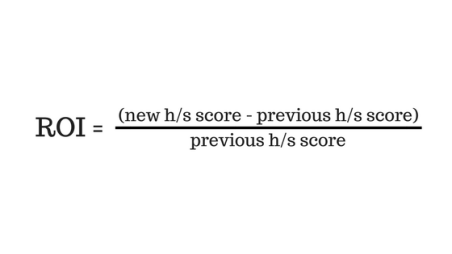
Why is it important to have two different measures? Given a situation where the traditional ROI results in a break even amount, would you realistically be willing to go forward with that investment without any information about improvement to your associates well-being? Now had you had information or an understanding that this would drastically improve your associates satisfaction with their day-to-day role, you might be more willing to pursue the investment. For some situations, you might even find the ROI of employee happiness and satisfaction to be more important than the traditional ROI.
So expand your concept of ROI to include the qualitative aspect of human capital as well, and you just might start seeing more smiles around the office.
 System Tinker